
Copper, bronze and aluminum: how material selection shapes a project
Alloy selection cannot be separated from the application. Understand how function, manufacturing and the operating environment guide this decision.
By Felipe Camargos
Technical review: Luiz Fernando
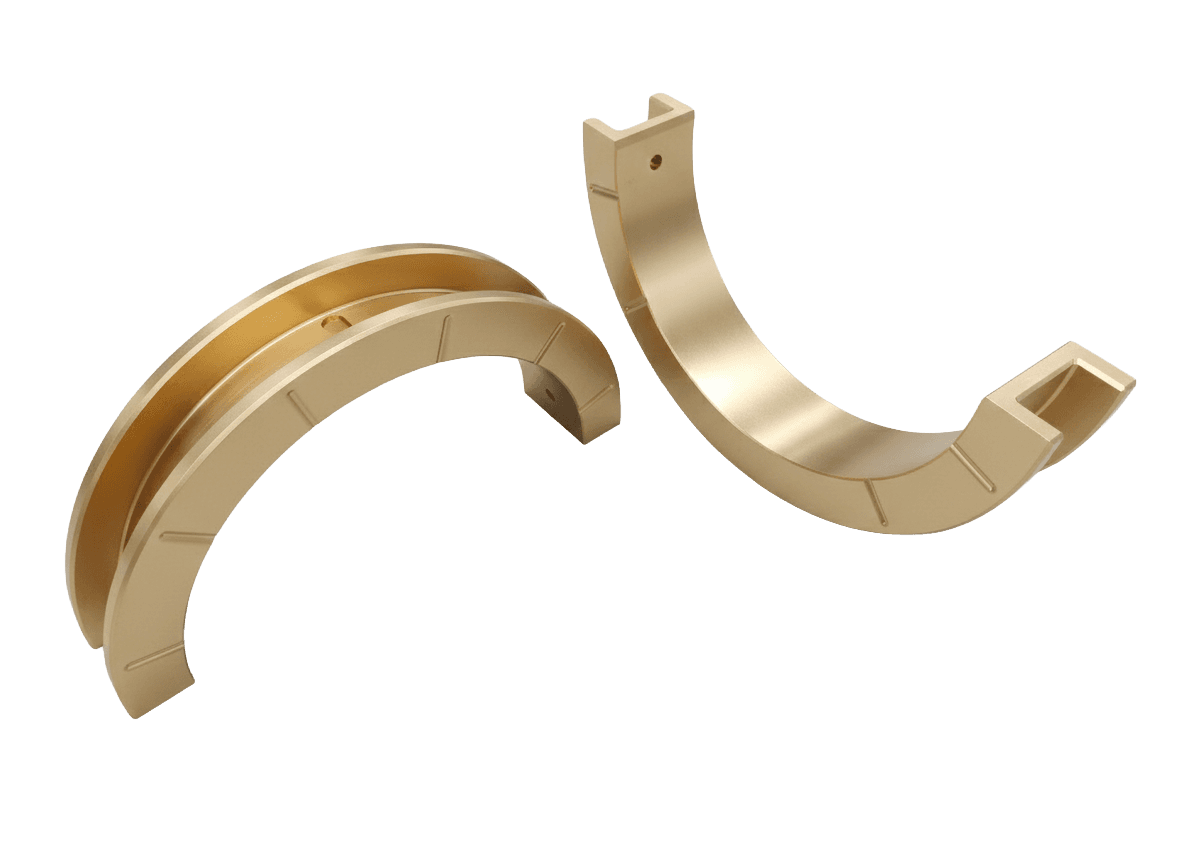 ITA / ITA / KNOWLEDGE
Copper, bronze and aluminum encompass alloy families with different behavior. Appropriate selection depends on what the component must do, how it will be manufactured and the conditions it will encounter throughout its service life.
The metal name does not complete the specification
Simply stating that a part is bronze or aluminum is usually insufficient. Each family contains different compositions and supply conditions that can change properties, machinability and process response.
When the original component’s composition is unknown, the assessment should consider available documents, application history and, when necessary, material identification resources.
Function directs the questions
Components intended for conduction, sliding, support or cooling have different priorities. The material must therefore be assessed together with geometry, wall thicknesses, interfaces and finish.
- Thermal condition and expected variations during operation.
- Type of contact, movement or load within the assembly.
- Exposure environment and required compatibility with other materials.
- Subsequent processes such as machining, assembly or welding.
Design and process must work together
Alloy selection also affects the production route. Shape, mass, wall thicknesses and construction details must be compatible with the planned process. Seemingly small changes may improve mold filling, feeding, machining or inspection.
A robust decision combines application requirements with production feasibility. This integration reduces the risk of treating material, drawing and process as independent stages.
Explore the application
Related products and services
Practical application
Do you need to assess a component or a new development?
Share the available information to begin a technical discussion about the project.
Request a technical assessment